Brown Honeyeater pew pew pew Probable
Putative nocturnal call type
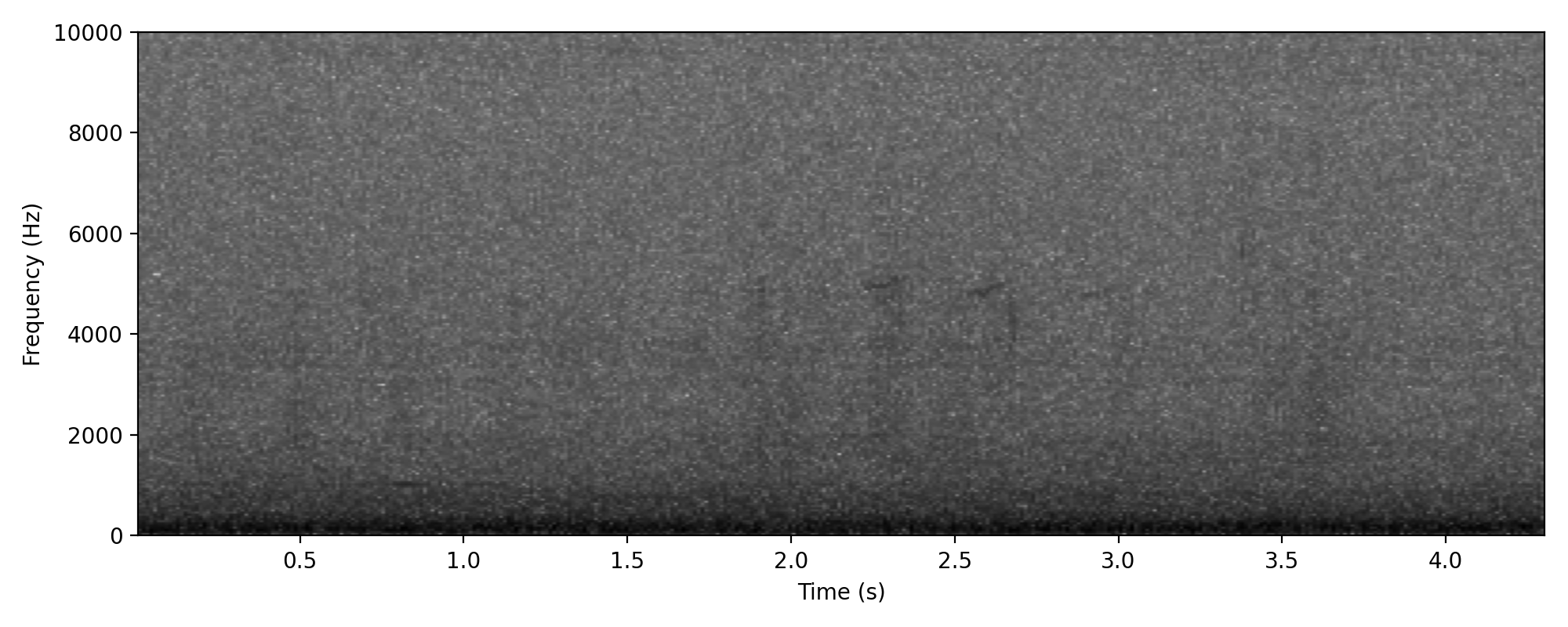
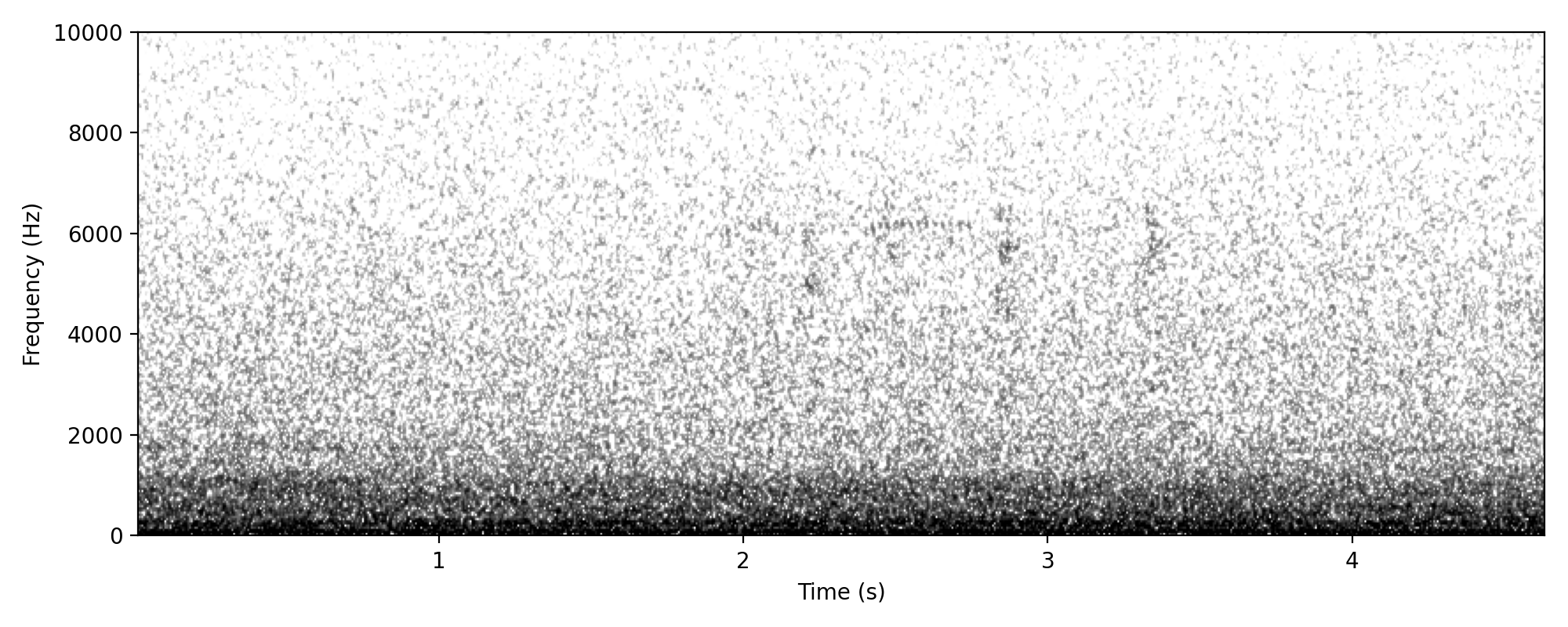
A short, high-pitched, tonal call delivered in bursts of 2–4 elements (typically three), giving an insistent "pew pew pew" quality. Each note is brief and narrow-band, with a sharp onset and slight downward tail, producing a characteristic inverted ] shape on the spectrogram. Two peaks of energy (around 5 kHz and 2,5 kHz), with notes evenly spaced and clearly separated.
Behavioural context
This call is given in flight, as evidenced by recordings where an initial faint call is heard, followed by a much louder call as the bird overflies the microphone, and then a weaker call as it again becomes more distant. This call is strongly seasonal in Brisbane, peaking in Apr and Sep/Oct, suggesting nocturnal migration, although the full seasonal pattern nationally has not yet been established. Until broader data are available, it remains unclear whether this call is restricted to migratory periods or is used more broadly during nocturnal movements or local dispersal.
Evidence for identification
This call is tentatively attributed to Brown Honeyeater (Lichmera indistincta) based on a recording in which a typical Brown Honeyeater song phrase is heard immediately followed by two bursts of this “pew pew pew” call. The close temporal association strongly suggests the same individual produced both vocalisations, providing the first direct evidence linking this call type to the species.
At present, no published or online reference recordings of Brown Honeyeater match this vocalisation, indicating it may represent an undescribed or under-documented call type. The consistent nocturnal occurrence of this call, combined with the lack of clear diurnal analogues, raises the possibility that it is a specialised nocturnal flight call (NFC) or movement-related vocalisation.
However, this identification remains provisional. The call has not been reported in extensive nocturnal recording work in Western Australia (N. Jackett pers. comm.), despite Brown Honeyeaters being common in that region. This may suggest geographic variation in vocal behaviour, or that the call is associated with populations undertaking local or seasonal movements not expressed in non-migratory populations.
Confidence statement
Further confirmation will require additional recordings showing repeated co-occurrence with Brown Honeyeater vocalisations, or ideally direct observational linkage. At present, the evidence is best considered probable but not confirmed, with moderate confidence based on the strength of the temporal association in the focal recording.
Similar species / confusion risks
Alternative species have been considered. Nigel Jackett suggested flycatcher sp. or Spangled Drongo as possibilities, while other informal suggestions have included Noisy Miner, Brown Quail, Magpie-lark, and Blue-faced Honeyeater. None of these taxa currently provide a convincing match in structure, delivery pattern, or known nocturnal calling behaviour.
Project detections: 245 annotations; 58 nights; recorded in January, March, April, May, June, July, August, September, October; most recent detection 08 Sep 2026.
Project clips
The usual three-note variant. Featured
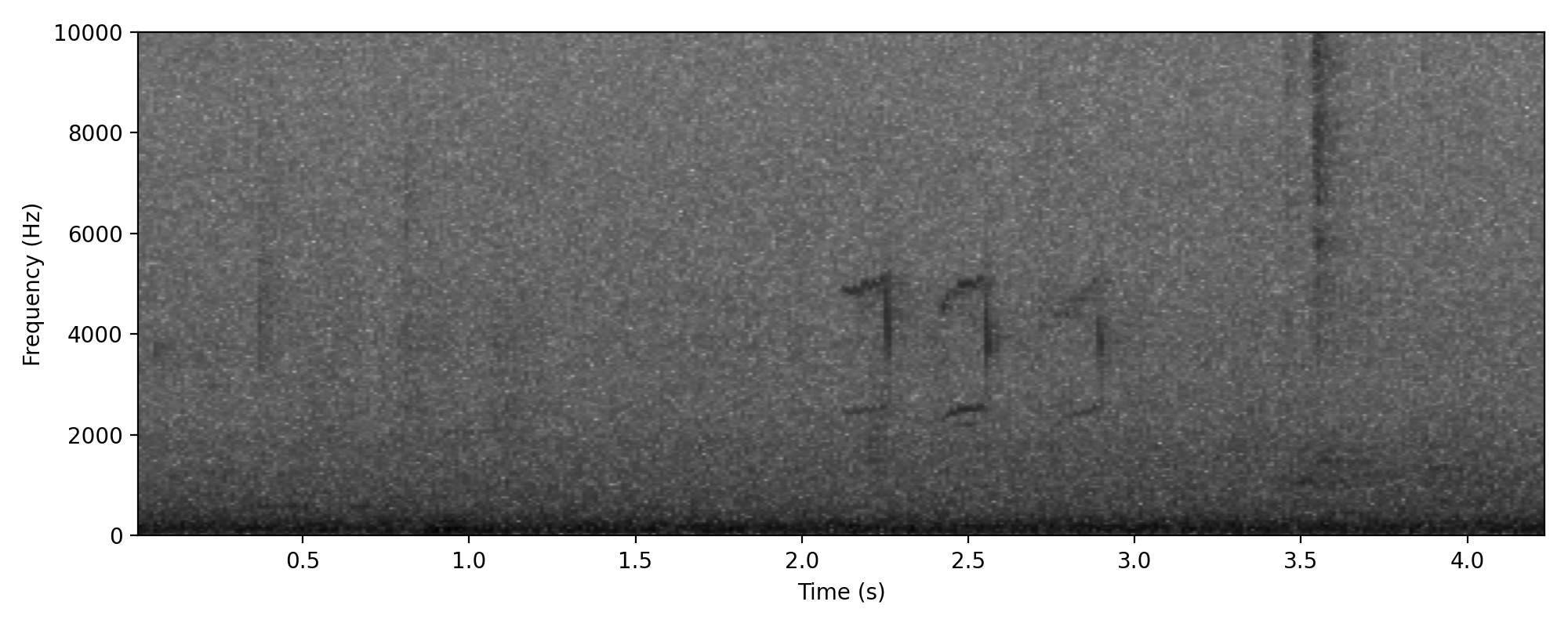
The reasonably common two-note variant.
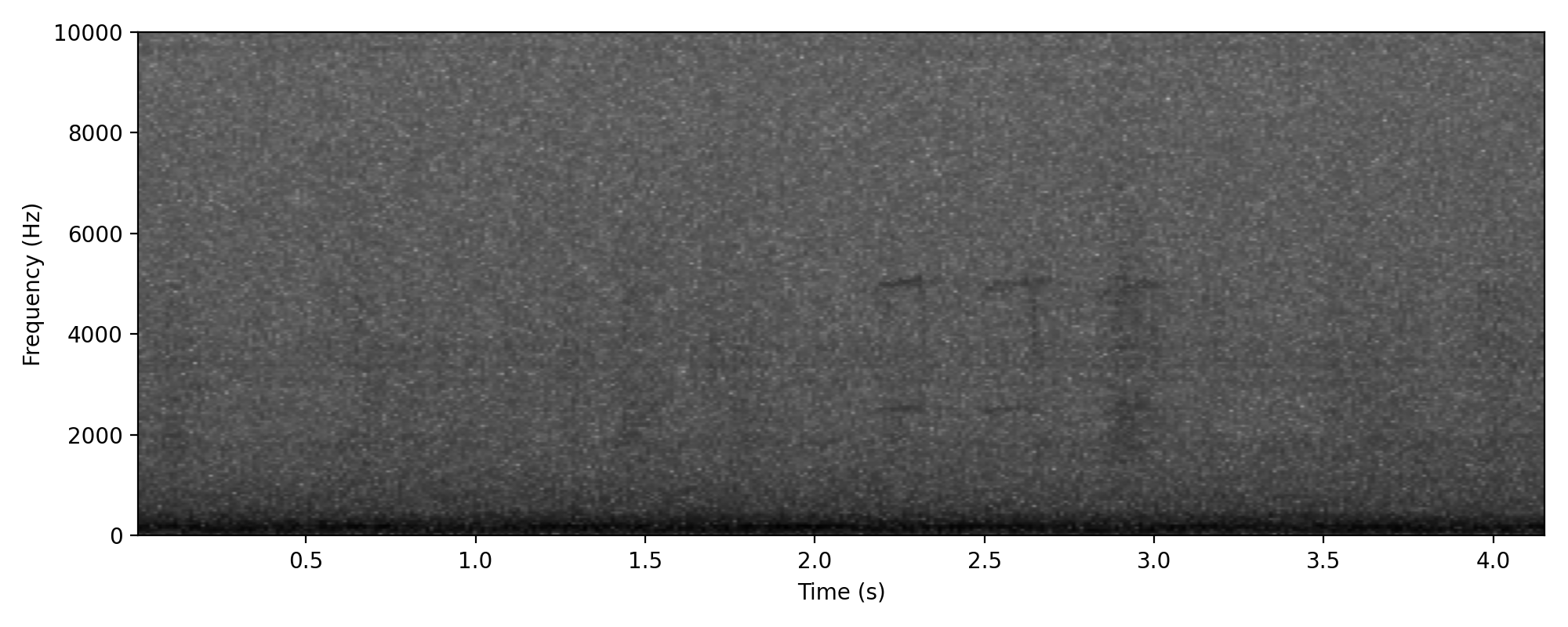
The unusual four-note variant.